
What Is a Gala Dinner? A Guide for Enterprise Companies
A gala dinner is not simply a formal dinner. In a corporate context, it is the most complex and highest-stakes event format, because everyone in the room will judge your organisation by every detail they encounter.
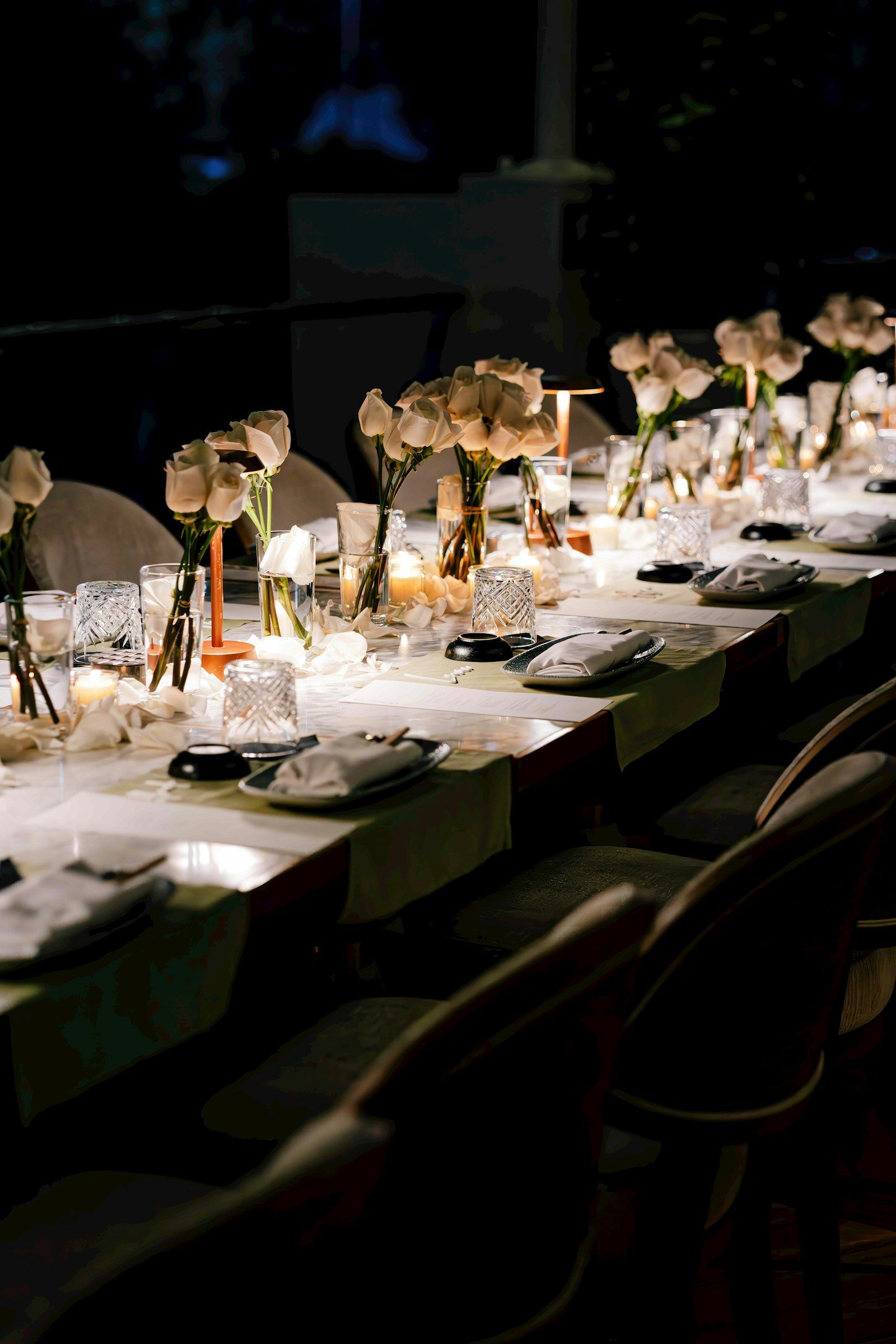
When someone searches "what is a gala dinner" online, they are usually being asked to organise one for the first time. The question is a fair one, because gala dinners are among the most frequently mentioned yet least understood corporate event formats.
This article explains what a gala dinner means in an enterprise context, how it differs from similar formats, and what you need to have in place before the planning process begins.
What a Gala Dinner Means in a Corporate Context
Literally, a gala dinner is a formal dinner held to celebrate something or honour someone. In a corporate context, however, that definition falls short.
A corporate gala dinner is a format that combines three elements simultaneously: premium hospitality, a structured programme, and moments designed to be remembered.
It is not simply dinner at a nice venue. There is a rundown executed with precision. There is a narrative built from the opening moment to the close of the evening. Every detail, from table settings to lighting, works together to create one consistent impression.
Companies organise gala dinners for various reasons: celebrating annual achievements, appreciating employees or business partners, marking important milestones, or strengthening relationships with clients and external stakeholders.
What sets a gala dinner apart from an ordinary dinner event is the intensity of planning and the standard of execution required.
Gala Dinner vs Corporate Dinner vs Award Night
These three terms are often used interchangeably, but they carry meaningful differences.
Corporate Dinner
The broadest and most general term. A corporate dinner can refer to an informal business dinner between a small team, or a semi-formal dinner for selected clients. It does not always have a structured programme. Scale can range from very small to several hundred guests.
Gala Dinner
More formal and more structured than a standard corporate dinner. It always has a clear programme: welcome reception, entrance to the main venue, opening, remarks, entertainment, dinner service, and closing. The venue is selected with serious consideration for aesthetics and production capacity. Dress code is typically formal or smart formal. Scale is usually 100 guests and above.
Award Night
This is a gala dinner with awarding as the central focus. The programme is built around recognition moments: who receives what, how those moments are delivered, and how recipients feel standing in front of the entire organisation. It can be incorporated into a gala dinner, or stand alone as its own format.
In practice, many companies combine all three: Gala Dinner and Award Night is the most common format for year-end celebrations or company anniversaries.
When a Company Needs a Gala Dinner vs Another Format
Not every situation calls for a gala dinner. Here is a practical guide to help you decide.
Choose a gala dinner when:
• You want to make a strong organisational statement to a broad audience
• The event involves external guests such as clients, business partners, or government officials
• There is a specific occasion worth celebrating formally: a company anniversary, a major milestone, or a merger
• The budget allows for a higher standard of venue and production
Choose a different format when:
• The goal is informal internal team bonding, a corporate gathering or team outing is more appropriate
• Guest count is below 50, a gala dinner at small scale often feels disproportionate
• The focus is knowledge transfer or strategic discussion, a conference or town hall is more effective
• Budget is limited, other formats can achieve similar goals more efficiently
Standard Components of an Enterprise Gala Dinner
A well-executed gala dinner always includes these components:
Venue
This is the component that determines the first impression. For enterprise scale, venues are typically four or five-star hotel ballrooms, or exclusive non-hotel venues with adequate capacity and production infrastructure. Key considerations: capacity, layout, lighting quality, and setup access.
Rundown
A gala dinner programme typically includes: cocktail reception, entrance to the main room, opening, remarks, dinner service (usually a set menu or phased buffet), entertainment, awarding if applicable, and closing. Standard duration: three to four hours.
Dress Code
Formal (suit and evening gown) or smart formal (formal batik, neat collared shirt). Dress code must be communicated clearly well before the event, as it affects guest comfort and expectations.
Décor and Staging
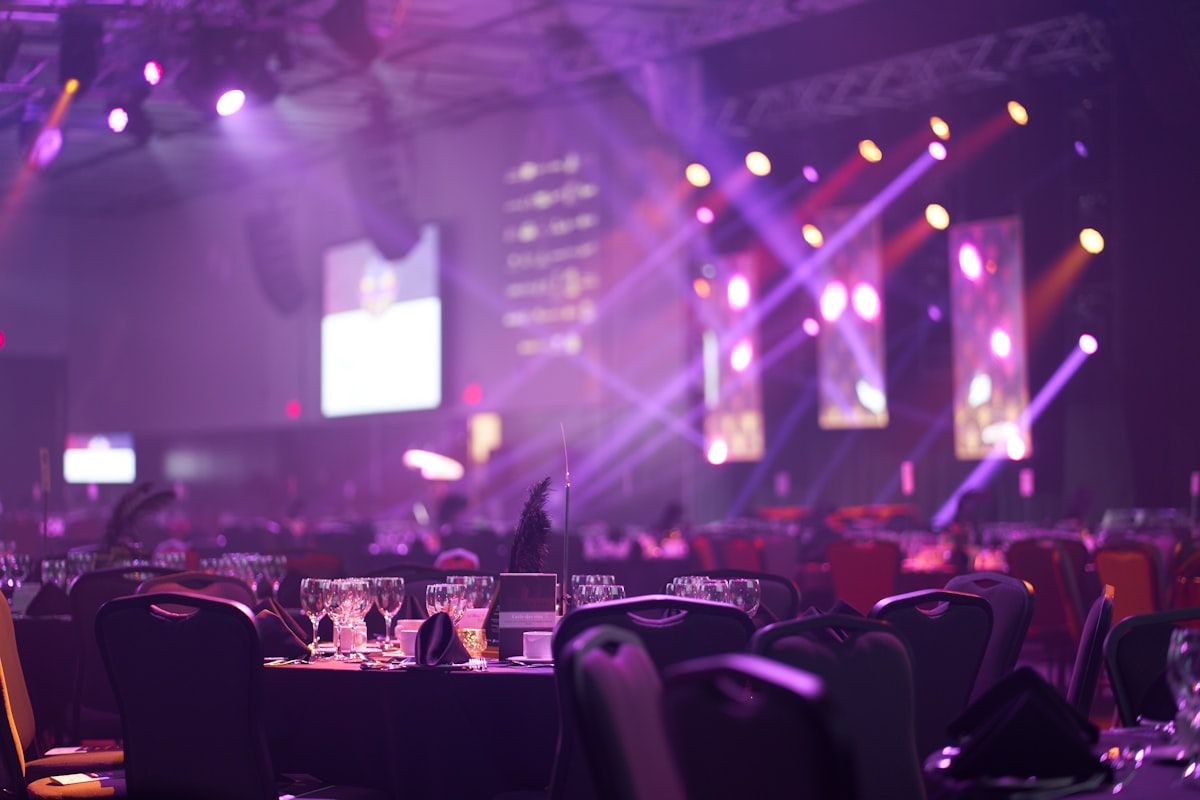
Table settings, centrepieces, stage backdrops, and lighting are the most visible areas and have the greatest impact on overall impression. Décor is not an accessory, it is part of the event's visual narrative.
Entertainment
This can take the form of live music, artist performances, bespoke curated performances, or video production. What matters: entertainment must be integrated with the event narrative, not simply used as filler between segments.
Documentation
Experienced photographers and videographers are an investment whose value extends well beyond the event itself. Quality documentation is used for internal communications, company social media, and organisational archives.
How Much Does a Corporate Gala Dinner in Jakarta Cost?
This is a question that cannot be answered with a single number, because the variables are too significant. But there is a general picture that can help you begin setting expectations.
The largest cost components in a gala dinner budget are typically:
• Venue and catering: 35 to 50 percent of total budget
• Décor and staging: 15 to 25 percent
• Entertainment: 10 to 20 percent
• AV and technical production: 10 to 15 percent
• Documentation, MC, and other items: 5 to 10 percent
For an enterprise gala dinner in Jakarta with 200 to 300 guests at a five-star hotel venue, a realistic starting point is Rp 500 million. For larger scale or higher production standards, the figure can be considerably higher.
What matters to understand: these numbers depend heavily on the concept, the venue selected, and the standard applied to each component. Two gala dinners with the same guest count can have budgets that differ by three times, depending on the decisions made across each component.
Checklist Before Briefing an EO
Before contacting any event organiser, make sure you can answer these questions:
• What is the business objective of this event? What should be different or felt by guests after the evening ends?
• How many guests are being invited?
• Who is the audience? Internal employees, external clients, business partners, or a mix?
• Is there an awarding or recognition element?
• What is the target date?
• In which city?
• What is the ceiling budget available?
• Are there any venue or theme preferences?
• Who are the decision makers that need to be aligned before the process begins?
The more complete the information you provide at the start, the more accurate the proposal you will receive. And the more accurate the proposal, the smaller the chance of surprises mid-process or at the end.
Have a clear picture of the gala dinner you want to organise? Send your brief to Elevent. We will help you define the concept, select the right vendors, and ensure every detail is executed to the standard you need.


Bring us a brief.We'll bring a point of view.
Send us your brief. We'll respond within one working day with a team that's been briefed and a perspective that's clear.