
Choosing a Corporate Event Venue in Jakarta: A Guide for GA and CorpComm Managers
Venue selection is a strategic decision, not a logistical one. The room you choose sets the tone before the event begins, determines the quality of conversation that happens inside it, and shapes what participants remember. Here is how to evaluate correctly.
Venue Is More Than Just a Room
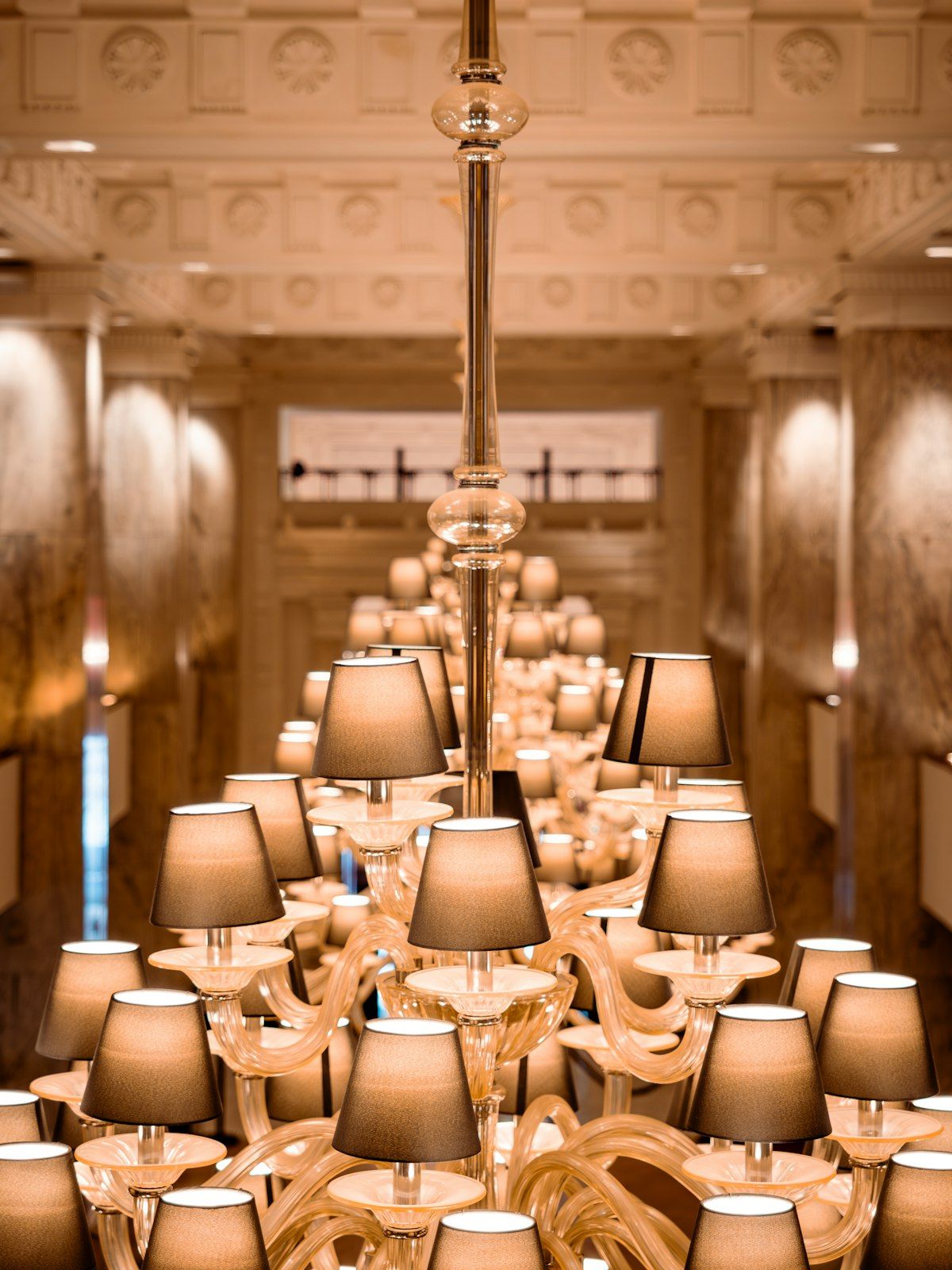
Venue selection is a strategic decision, not a logistical one. Venue shapes the first impression participants form before the event even begins. A grand and formal lobby, an industrial warehouse with warm lighting, a rooftop overlooking the city: each creates a different expectation, and setting the right expectation is half the work of a successful event.
Venue also fundamentally shapes logistics: accessibility determines who shows up and in what condition when they arrive, AV infrastructure determines the quality of communication, and layout determines social dynamics. A ballroom that is too large makes 300 attendees feel like 100 people who wandered in.
The common mistake: choosing a venue based on name recognition or prestige without evaluating its fit for the specific event objective. The most prestigious five-star hotel in Jakarta is not always the right choice for a town hall designed to create openness and dialogue.
What to Evaluate
Correct capacity: choose a venue at 110 to 120 percent of your expected headcount. Too spacious creates a flat atmosphere; too crowded creates discomfort. For standing receptions, the math is different: a venue can accommodate 30 to 40 percent more guests than its seated capacity.
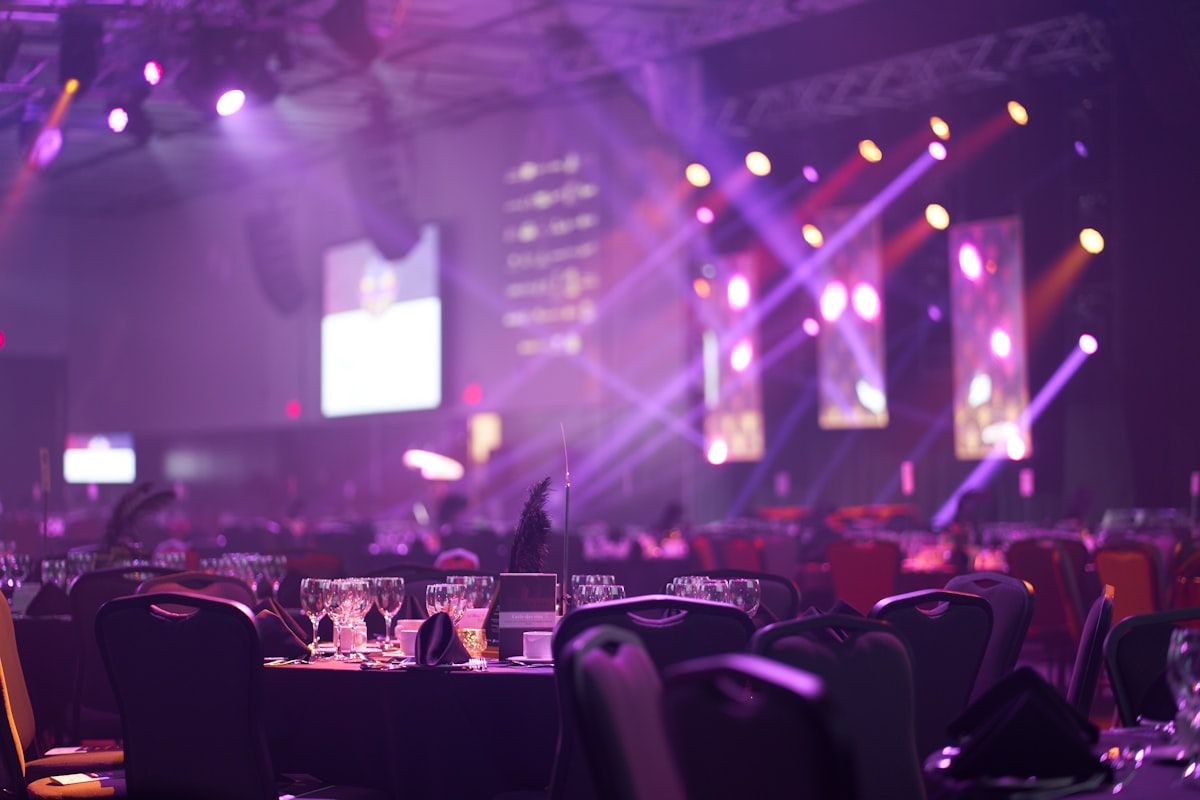
AV infrastructure is the biggest differentiator between a venue that looks good in photos and one that functions well on the day. Specific questions to ask: is the sound system built-in or does it need to be rented? How many rigging points are there for lighting? Is there dedicated power for AV? What is the internet speed and reliability, especially if the event includes live streaming or digital voting?
What is often forgotten: setup and breakdown time (some venues grant access four hours before and two hours after, which is not enough for a complex event), room exclusivity policy (are there other events on the same floor the same day?), acoustics between spaces (will sound from the adjacent ballroom bleed through?), and service elevator access for large equipment.
Venue Zones in Jakarta
SCBD and Sudirman are the primary choice for executive events, premium conferences, and gala dinners with VIP guests. The cluster of five-star hotels in this area has mature infrastructure, experienced event teams, and easy access for attendees based in Jakarta's central business district. Pricing is premium, but expectations can be reliably met.
The hotel corridor along Gatot Subroto, Kuningan, and MT Haryono offers better value at near-equivalent quality. For conferences with 500 to 1,000 attendees, many four-star hotels in this zone have ballrooms and convention facilities that are more flexible than five-star hotels in the core business district.
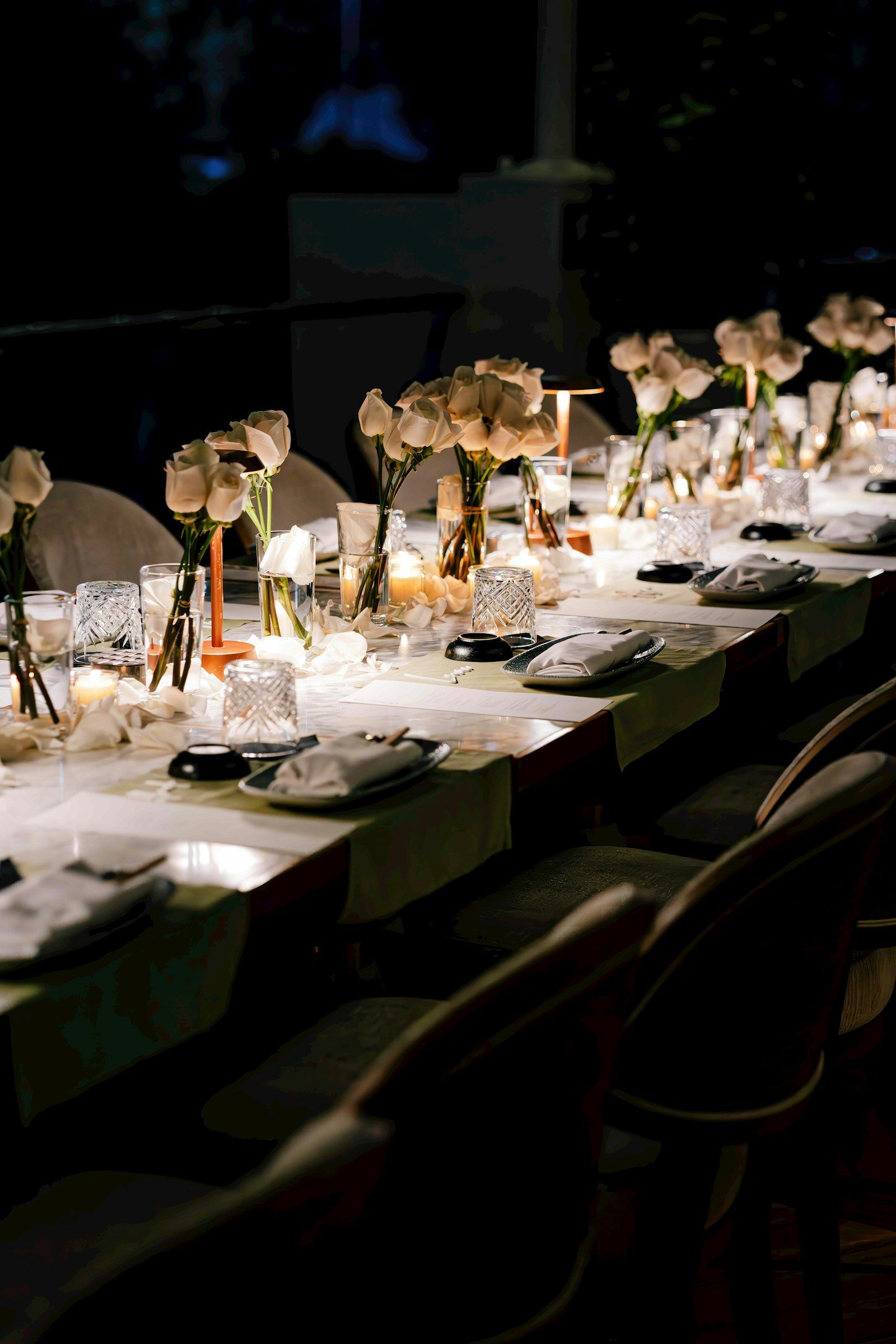
Unique venues, such as converted factories, rooftops, heritage buildings, or outdoor settings, are ideal for gatherings that want to leave a different impression. Special consideration: confirm that technical infrastructure (power, AV, catering) can be met by external vendors if the venue does not provide it in-house. A beautiful venue that cannot support the technical requirements becomes a serious problem on the day.
Questions to Ask the Venue
Ask explicitly: are there other events in the same building on the same date, and where? Is the service elevator available and what is its capacity? Who is the technical contact who will be present during setup and the event? Are there additional charges for setup overtime beyond the agreed hours, and what is the rate per hour?
On catering: is in-house catering mandatory or can external vendors be brought in? If in-house catering is required, request a tasting using the actual menu that will be served, not one that "can be made." Clarify the surcharge policy if special beverages are brought in from outside.
Legal and safety: does the venue hold the necessary permits for the scale of your event? Who is liable if an incident occurs, the venue or the organiser? Request a copy of the venue's insurance policy and verify that the coverage is adequate.
Red Flags During a Site Visit
First sign: staff who cannot answer technical questions specifically and always need to check with someone else first. A professional venue team knows their own capacity, AV specifications, and policies in detail. The inability to answer basic questions is a signal about the quality of support you will receive on the day.
Second sign: a venue that looks noticeably different from its marketing photos. If the website photos use very specific angles that conceal certain features, a site visit will reveal them. Check the condition of the carpet, the default lighting, the cleanliness of service areas, and the restrooms. These are indicators of overall maintenance standards.
Third sign: a contract that is inflexible or full of clauses that heavily favour the venue, such as no deposit refund under any circumstances, or a clause allowing unilateral menu changes. A venue confident in its own quality is typically more flexible in contract negotiations.


Bring us a brief.We'll bring a point of view.
Send us your brief. We'll respond within one working day with a team that's been briefed and a perspective that's clear.