
Corporate Roadshow: What It Is, Common Formats, and How to Plan One
A roadshow is not simply the same event repeated across multiple cities. Each stop has a different audience, different dynamics, and different logistical challenges. That is what makes roadshow execution far more complex than it appears on the surface.
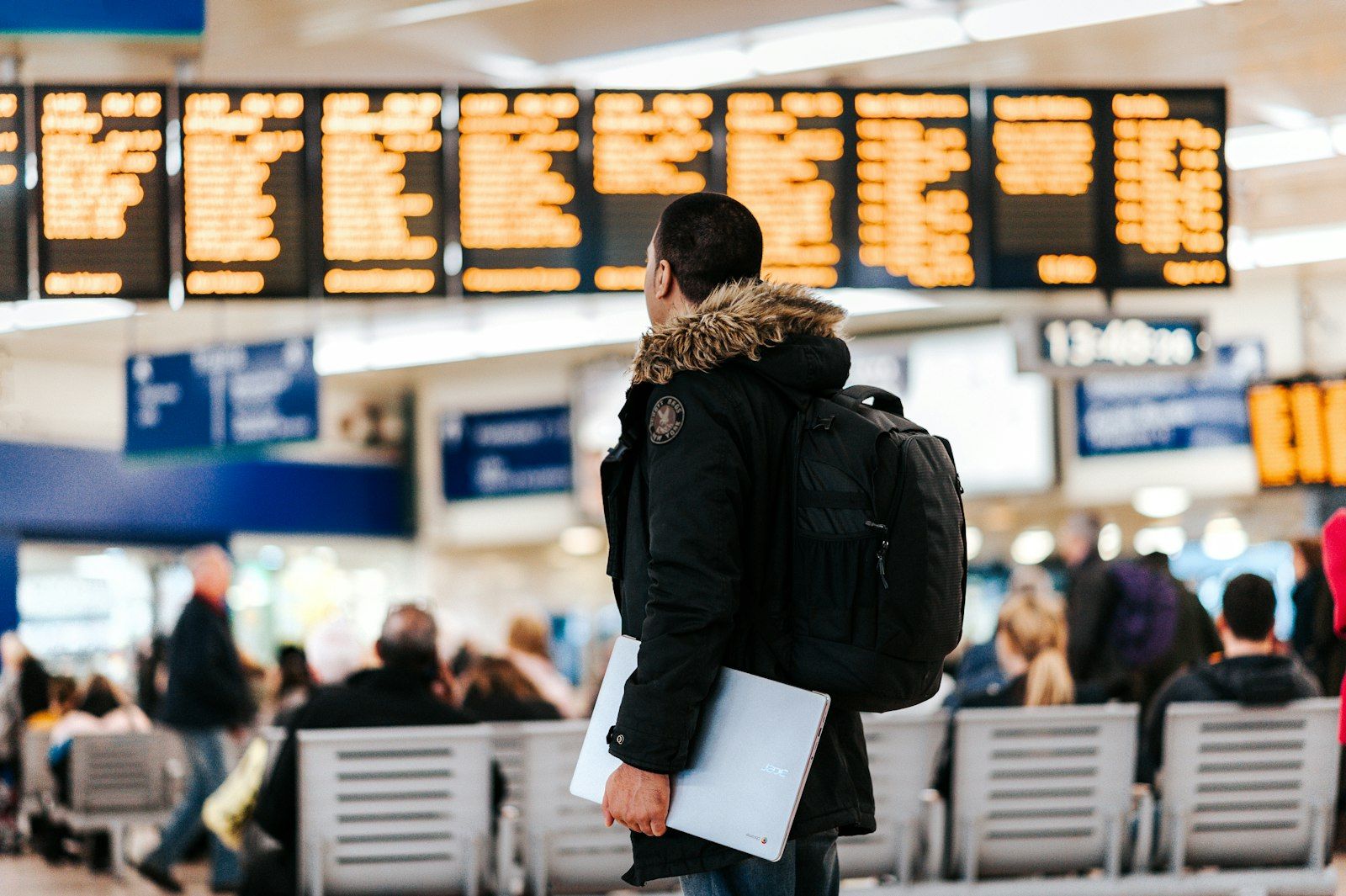
Roadshow is one of the most frequently cited corporate event formats in enterprise annual planning briefs. It is also one of the most frequently planned with the wrong assumption: that it is simply one event repeated across multiple cities.
The reality is considerably more complex than that.
This article explains what a roadshow means in a business context, how it differs from similar formats, and what you need to have in place before the planning process begins.
What a Roadshow Means in a Business Context
A roadshow is a series of events held across multiple locations or cities within one integrated programme, sharing the same business objective at every stop.
In the Indonesian corporate context, roadshows serve several purposes.
Companies use them to reach audiences outside the head office city, such as regional teams, dealers, distributors, or clients spread across different territories. New products or policies are introduced directly, rather than through email or video calls. The relationship between head office and regional operations is strengthened through physical presence that digital communication cannot replace.
What makes a roadshow different from a single event is not simply the number of cities. It is the ability to maintain consistent standards at every stop, with a team that is constantly moving, logistics that keep changing, and audiences with different characteristics in each city.
Roadshow vs Travelling Seminar vs Exhibition
These three formats are often confused because they share one characteristic: all involve more than one location. But their objectives and approaches differ significantly.
Roadshow
A multi-city programme with the same narrative and business objective at every stop. The audience is typically specific and invited, not walk-in. There is a structured programme at each city. Execution is centralised: one team, one standard, moving from city to city.
Travelling Seminar
The focus is on knowledge transfer or education. The format is usually simpler: presentations, discussions, Q&A. There is not always a hospitality or complex production element. Often used by educational institutions, professional associations, or companies wanting to educate a market.
Travelling Exhibition
More focused on displaying products or work. Booths or physical installations are the primary element. The audience is typically the general public or walk-in, not a limited invitee list. Production standards differ because the focus is on visual appeal and direct product interaction.
Corporate roadshows typically contain elements of all three, but executed with a more structured approach and more rigorous standards.
Types of Roadshow Commonly Used by Indonesian Enterprise Companies
Based on business objective, there are several types of roadshow most commonly run by large companies in Indonesia:
Product Launch Roadshow
A new product launch conducted simultaneously or in stages across multiple cities. The goal is to ensure each market has a direct experience with the product, not just marketing materials. Often combined with media briefings and product demonstrations.
Dealer or Distributor Roadshow
A programme targeting distribution networks across different regions. Content typically combines business updates, product training, and appreciation dinners for top performers. Important for maintaining alignment between head office and regional networks.
Internal Alignment Roadshow
Used when a company wants to communicate major changes directly to all employees across multiple locations. This can take the form of a travelling town hall, a C-level leadership roadshow, or a new culture onboarding programme following a merger or restructuring.
Investor or Media Roadshow
A programme targeting institutional investors or media across multiple cities or even countries. Usually conducted ahead of an IPO, a new financial product launch, or another major corporate event.
Which Cities Typically Make Up a Roadshow in Indonesia
City selection for a roadshow depends heavily on where the target audience is located. But there is a consistent pattern across most enterprise roadshows in Indonesia.
Tier 1: Almost always included
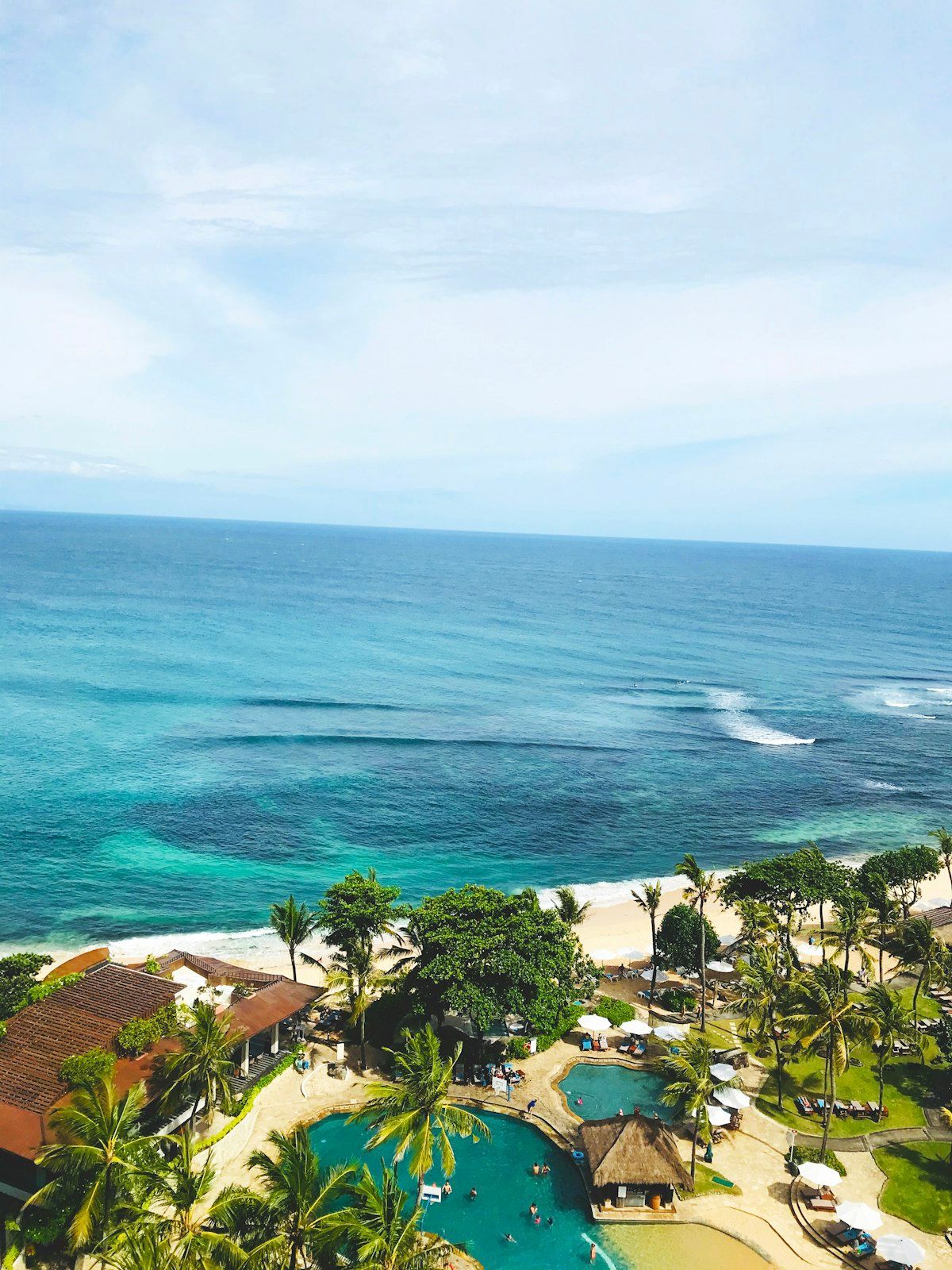
Jakarta as the national business and media centre is almost always the primary stop or the opening city of any roadshow. Surabaya as the second largest business city with a strong manufacturing and trading base. Bali for hospitality or MICE contexts, or roadshows that want to combine a business programme with a leisure element.
Tier 2: Depends on industry
Bandung for creative industries, textiles, and consumer goods. Medan as the gateway to Sumatra, particularly in the plantation, trading, and financial sectors. Makassar as the gateway to Eastern Indonesia. Semarang for Central Java with its significant industrial base.
Tier 3: Regional roadshows
Balikpapan, Pontianak, Manado, and other cities enter roadshow programmes targeting very specific markets or industries such as mining, plantations, or infrastructure.
For most enterprise roadshows, three to five cities already covers the majority of the relevant target audience.
Roadshow Production Components: What Is Different from a Single Event
This is what committees planning their first roadshow most often fail to anticipate: production complexity does not simply multiply by the number of cities. It compounds.
Material and equipment logistics
All event materials, from backdrops to product displays, must move from city to city. This requires precise shipping coordination, including arrival timing, temporary storage, and reassembly at each location.
Central team vs local vendors
The first option: bring the same team and vendors from city to city. Consistent, but expensive in terms of transport and accommodation. The second option: use local vendors in each city. More cost-efficient, but requires rigorous vendor curation to maintain standards. A well-run roadshow typically combines both: the core team travels, while supporting vendors are sourced locally.
Repeated briefing
Every city requires a fresh brief for the local team and vendors. This is not a small task. Detailed production documentation is an investment whose value is felt at every subsequent stop.
Per-city contingency planning
Every city carries different risks: weather, venue conditions, availability of alternative vendors. A well-run roadshow has contingency plans specific to each city, not one emergency plan applied uniformly to all.
Timeline and Budget for a Multi-City Roadshow
Timeline
A three to five city roadshow requires a minimum preparation time of two to three months before the first stop. This covers: concept and brief finalisation, vendor curation in each city, venue booking, material production, dry runs, and inter-city logistics coordination.
The more cities and the larger the scale, the longer the preparation timeline needs to be. A roadshow prepared in less than six weeks almost always results in compromises that are felt on execution day.
Budget
The cost components of a roadshow differ from a single event because there are costs that simply do not exist in a standard event:
• Transport of team and materials between cities
• Team accommodation at each city
• Setup and breakdown costs at each venue
• Local vendor curation and coordination
• Per-city contingency budget
As a general reference: a three-city roadshow does not mean three times the budget of a single event. There are efficiencies in areas such as creative materials and concepts that are reused. But there are additional costs in logistics and coordination that have no equivalent in a single event. A realistic figure typically falls between two and two and a half times the cost of a single event for a three-city roadshow at the same standard.
Checklist Before Briefing an EO on a Roadshow
Before contacting any event organiser, make sure you can answer:
• What is the business objective of this roadshow? What should be different after the programme concludes across all cities?
• How many cities are in the programme and in what sequence?
• How many attendees are expected in each city?
• Who is the audience in each city? Is it the same profile or different?
• Are there production elements that must be consistent across all cities?
• Are there materials or equipment that need to move between cities?
• What is the time span between the first and last stop?
• Are there any cities with specific conditions that need to be anticipated?
• What is the total ceiling budget, and is there a per-city allocation?
• Who is the primary point of contact for cross-city coordination?
A roadshow briefed with complete information produces an accurate proposal. And an accurate proposal is the foundation of execution that meets the same standard in every city.
Planning a roadshow this year? We have run multi-city programmes for enterprise companies across various industries. Send us your brief and we will help map out the most efficient programme for your objectives and budget.

Bring us a brief.We'll bring a point of view.
Send us your brief. We'll respond within one working day with a team that's been briefed and a perspective that's clear.