
Why Corporate Events Feel Boring and How to Fix That
If your attendees are already on their phones before the first session ends, that is not an audience engagement problem. That is an event design problem.
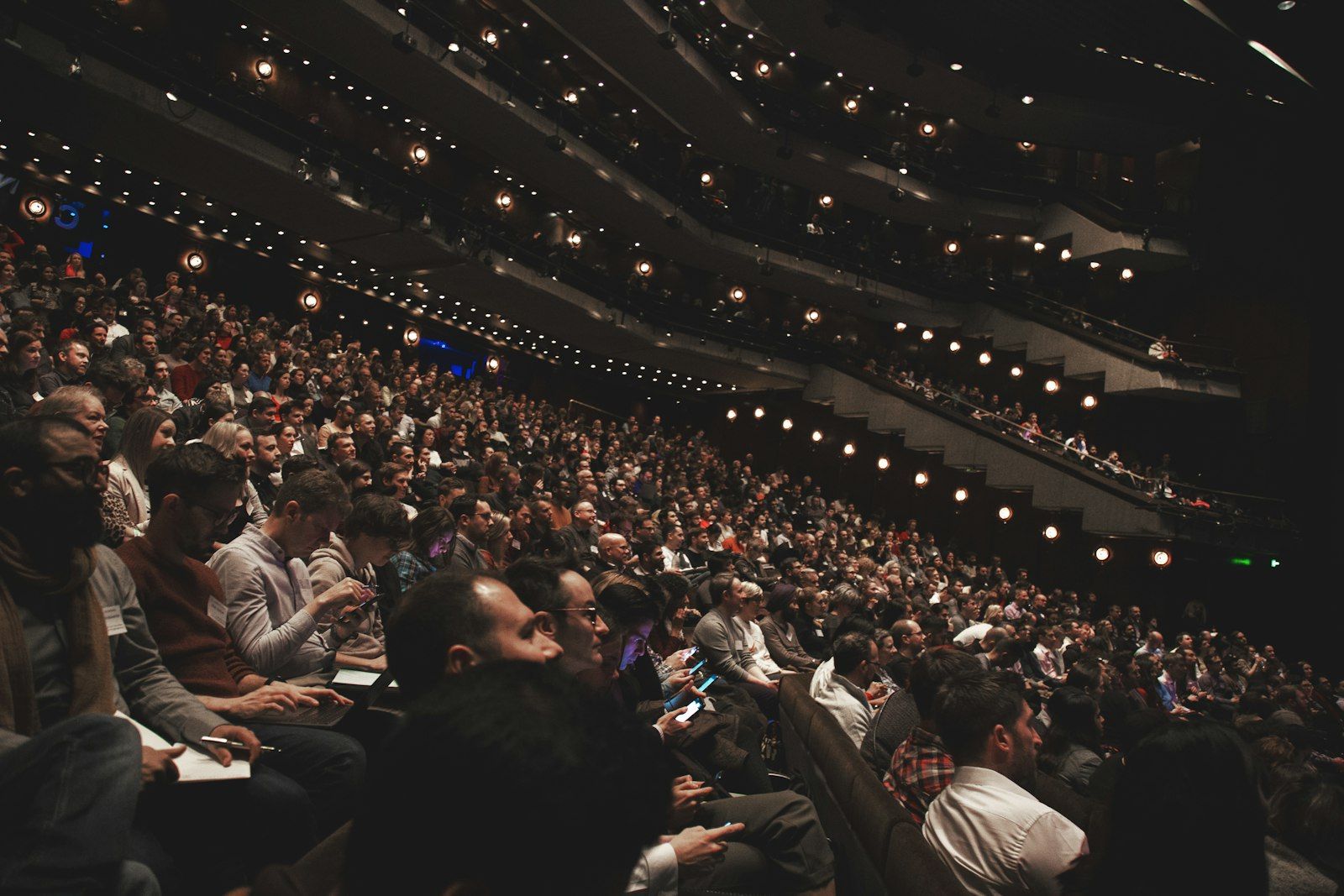
There is one moment corporate event organizers dread the most.
Not when the sound system fails. Not when catering runs late. It is when you watch attendees, the ones who made the effort to show up, start scrolling their phones in the middle of the program.
That is not a sign that attendees do not care. It is a sign that the event failed to hold their attention.
And in most cases, the cause is predictable long before the event day.
Problem One: The Event Is Designed for the Organizer, Not the Attendee
Most corporate events are designed around one main question in the organizer's mind: how will this look in the report?
The result is an event full of sessions that feel like obligations. Opening remarks that run too long. Presentations that could have been an email. Awards where no one really cares who wins.
A good event is designed around a different question: what will attendees remember a month from now?
The answer to that question is rarely a slide deck.
Problem Two: The Same Format Every Year
"Last year we used the ballroom at hotel X, this year let us try hotel Y."
Different venue, identical format. Opening, board remarks, entertainment, dinner, closing. Attendees know the run of show before they even sit down.
Predictability is the enemy of engagement.
When people know what comes next, their brains stop paying attention. Not because they do not want to be there, but because there is nothing to anticipate.
A memorable event always has a moment that cannot be predicted. Not a startling surprise, but a transition that makes people think: oh, so this is where it is going.
Problem Three: Unclear Objectives
This is the one least often admitted: many corporate events have no clear business objective.
"For employee appreciation" is not a business objective. It is a category. A business objective is: after this event, we want employees to feel that their contribution is recognised personally, not collectively.
The difference is large. The first produces a generic event. The second produces specific design decisions, about how awards are delivered, about who speaks, about what attendees take home.
Without a specific objective, there is no standard to judge whether the event succeeded. And without a standard, there is no pressure to build something that actually works.
Problem Four: Entertainment as Escape, Not Part of the Narrative
A jazz band at cocktail hour. Games with no connection to the event theme. A montage video that feels like a template.
Entertainment that is not integrated with the event narrative only confirms one thing to attendees: that the main content was not interesting enough to stand on its own.
Effective entertainment is not a time filler. It is an extension of the message you want to convey. If a company wants to say that this is the year of collaboration, the entertainment should reflect collaboration, not just a good band.
How to Change It
There is no universal formula for a memorable event. But a few principles consistently apply:
Start from the objective, not the format.
Hold off on deciding "we want a gala dinner" before the event's business objective is clear. Format should follow the objective, not the other way around.
Design for moments, not for the agenda.
An agenda is a sequence of time slots. A moment is an experience people remember. A good event has at least one moment attendees retell the next day. Design that moment on purpose.
Give attendees something to anticipate.
It does not have to be a big surprise. It can be as simple as changing the usual run of show, or opening with something unexpected. The point: do not let attendees feel they already know everything that will happen.
Cut, do not add.
An overstuffed event is not a sign of seriousness, it is a sign of weak curation. One well-designed session is more memorable than five forced ones. Choose what matters most and give it room to breathe.
Bring the EO in from the first brief.
A good EO is not a vendor that executes requests. They are a partner that helps you find the format that fits your objective. If your EO never challenges your brief, find another one.
One Question to Sit With
After the last event your company held: how many attendees were still talking about it three days later?
If the answer is not many, it does not mean the event was poor on logistics. The event may have run smoothly and still left nothing behind.
Smooth and memorable are two different things. The first is the minimum standard. The second is what the target should be.
Have an event you want to redesign from its approach? We start from the objective, not from a vendor checklist. Send us your brief.



Bring us a brief.We'll bring a point of view.
Send us your brief. We'll respond within one working day with a team that's been briefed and a perspective that's clear.