
Hybrid Event vs Virtual Event: Which Is Right for Your Company?
A hybrid event is not just streaming a physical event to Zoom. A virtual event is not a cheaper hybrid. Understanding the fundamental difference between these two formats will save you from a compromise that satisfies neither audience.
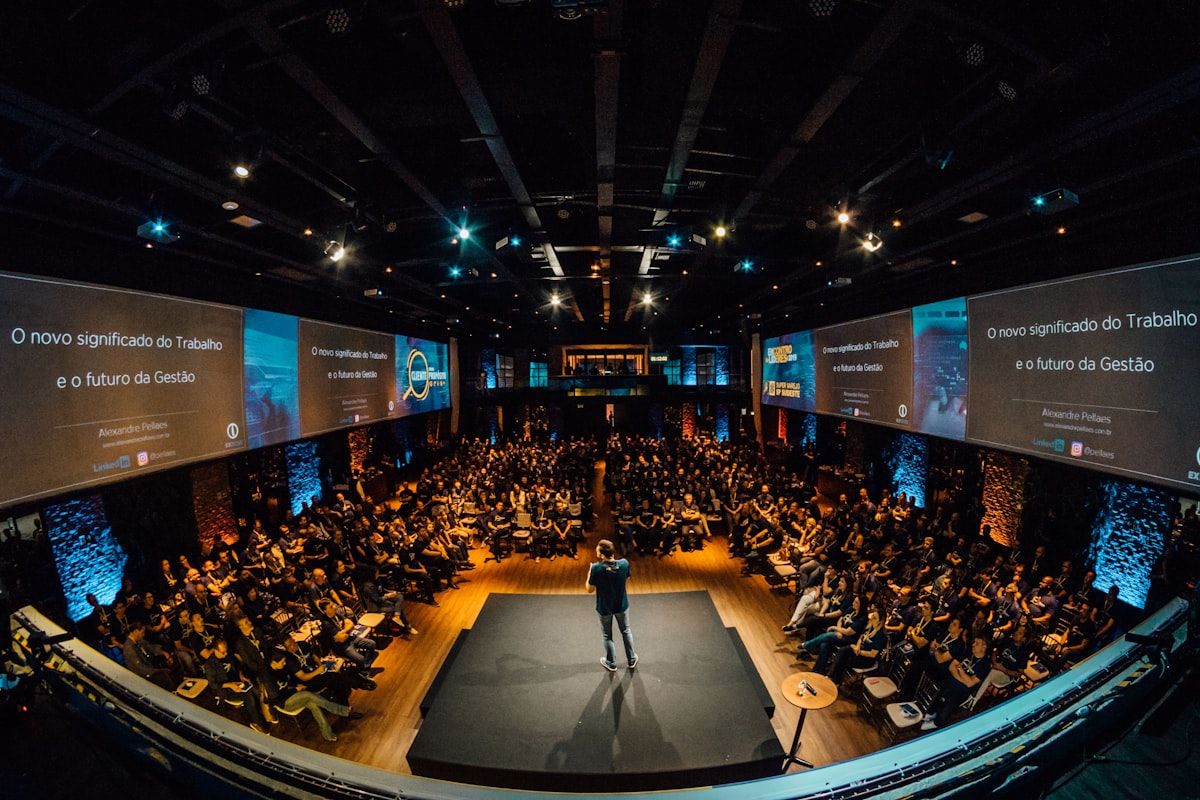
The Fundamental Difference That Is Most Misunderstood
A hybrid event is not streaming a physical event to Zoom. This is the most common and most expensive misunderstanding. A true hybrid event is designed from the ground up as two parallel experiences that are integrated: one for the physical audience, one for the online audience, with deliberately engineered interaction points between the two.
A virtual event is also not a cheaper hybrid. A well-designed virtual event leverages the strengths of the digital medium: interactions that can happen at any moment, real-time polling across hundreds of participants simultaneously, breakout rooms that can be reconfigured in seconds, and geographic accessibility without limits. This is not a compromise. It is a different format with different strengths.
Treating hybrid as slightly more sophisticated live streaming, or virtual as a venue cost saving, almost always produces an event that fails both audiences. The format decision must start with objectives and audience characteristics, not with budget or the preferences of the organising committee.
When a Hybrid Event Makes Strategic Sense
A hybrid event is strategically justified when: the audience is distributed across more than two cities and it is not practical for everyone to attend physically, there are international speakers whose value is significant but physical attendance is not possible, or there is an audience group whose presence is symbolically important but who are constrained by distance.
For multinational companies with employees in Jakarta, Surabaya, Medan, and Makassar, a hybrid format can be more inclusive than choosing one city as the centre. With one condition: investment in streaming infrastructure and a dedicated moderator for the online audience is non-negotiable.
A realistic minimum budget for a hybrid event of equivalent quality on both sides: add 25 to 35 percent of the physical event cost for the online component (platform, streaming AV, moderator, and content specifically curated for the online audience). Below this threshold, the online experience will be noticeably inferior and create an impression of unfairness.
When a Virtual Event Is the Better Choice
A virtual event is a smart choice, not a fallback, when the primary objective is knowledge transfer or information sharing that does not require a shared physical experience. Training sessions, new product briefings, cross-regional internal conferences: all of these can be delivered virtually at equal or even better quality.
When your audience is already comfortable with digital interaction and the platform being used, a virtual event can achieve higher participation rates than a physical one. Attendees can join from anywhere, attendance barriers drop, and features like anonymous Q&A often produce more honest questions than a microphone in front of hundreds of people.
Virtual is also the right choice when preparation time is very short. A worthwhile physical event needs a minimum of four to six weeks of preparation. A quality virtual event can be prepared in two to three weeks with a competent team and an already available platform.
The Most Common Mistakes in Hybrid Events
The most fatal mistake: treating the online audience as second-class citizens. This happens when the camera is only pointed at the speakers with no view of the physical audience, when online questions are ignored or always responded to last, and when no content is designed specifically for them.
Inadequate AV preparation is the silent killer of hybrid events. A single static camera, unclear audio from the online side, and significant delays create a frustrating experience. The minimum required: two cameras (a speaker close-up and a wide room view), dedicated audio separate from the room speaker system, and a platform with sufficient capacity.
Having no dedicated moderator for the online audience is the third most common mistake. The on-stage MC cannot simultaneously monitor the chat, manage online Q&A, and integrate online participation into the physical event flow. These are two separate jobs that need two separate people.
A Format Decision Checklist
Use this framework before deciding on a format: (1) Where is your audience, one city, a few cities, or widely distributed? (2) What is the primary objective, a shared experience, information transfer, or both? (3) What is the realistic budget for the chosen format done correctly? (4) How much preparation time is available?
If the majority of the audience is in one city and the goal is a shared experience: physical is the primary choice and is hard to beat. If the audience is distributed and the goal is information delivery: virtual is an efficient and effective choice. If the audience is distributed and shared experience matters: hybrid with adequate investment in the online component.
What not to do: choose hybrid because it sounds modern, or virtual because it costs less, without answering the questions above. The best format is the one that best fits the objective, not the most popular or the most cost-efficient.



Bring us a brief.We'll bring a point of view.
Send us your brief. We'll respond within one working day with a team that's been briefed and a perspective that's clear.