
Why Your Corporate Event Needs KPIs, Not Just Photos
Almost every post-event report uses the same language: the event was a success, attendees were happy, feedback was positive. But when pressed further, what actually changed? This article makes the case for measuring corporate events the same way you measure any serious business investment.
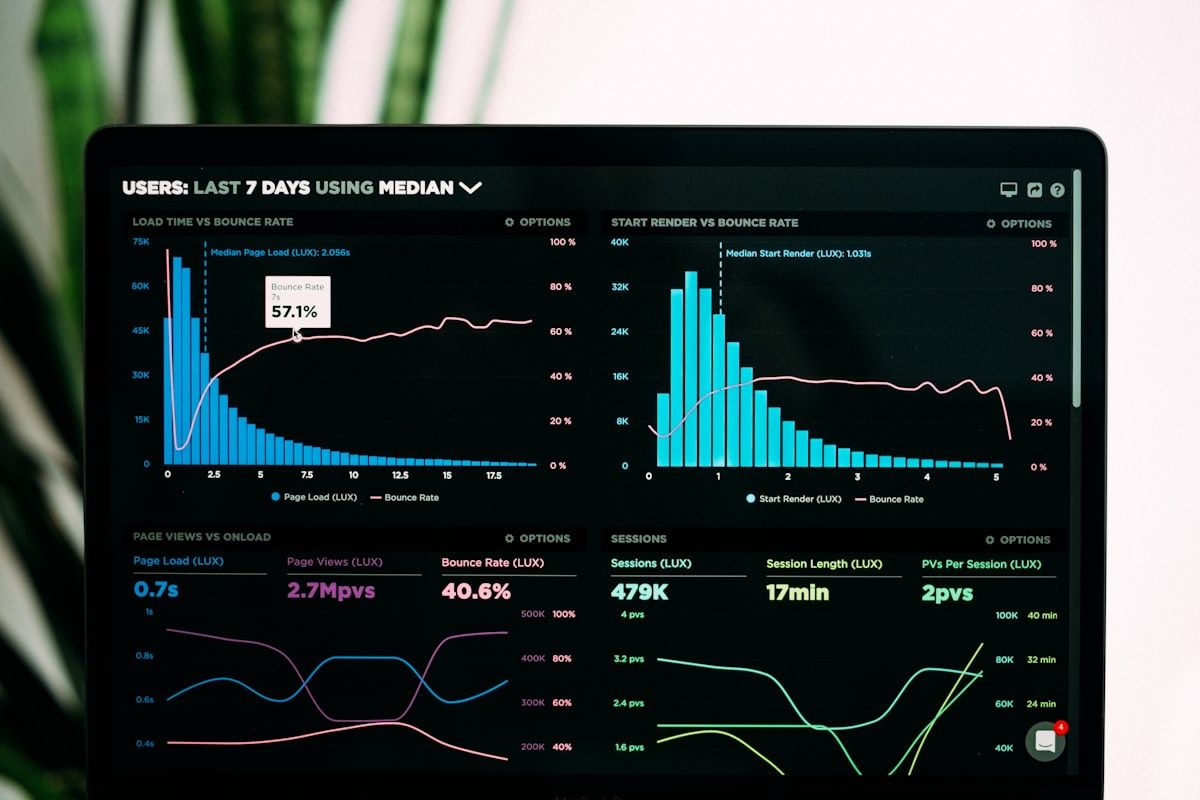
The Problem with "Successful Events" That Cannot Be Measured
Almost every post-event corporate debrief uses the same language: "the event was a success," "attendees were happy," "feedback was positive." But when pressed further, what changed after this event? What is better or different now? The answer is often empty. Not because the event was bad, but because no one ever defined what "success" looked like before the event started.
The impact of having no KPIs: event budgets become difficult to defend in front of a sceptical CFO, there is no basis for improving the next edition, and event organisers have no incentive to innovate because the minimum standard is simply "no major complaints."
The greatest irony: companies that are most rigorous about measuring ROI on marketing campaigns or IT projects are often most lenient when measuring the impact of internal events. Yet an event with 500 attendees and a Rp 600 million budget is a very serious investment that deserves the same standard of accountability.
A KPI Framework for Corporate Events
Five KPI categories relevant to the majority of corporate events. (1) Attendance: not just the number, but who attended and who did not. A consistent pattern of absence from a particular division or seniority level is important data. (2) Engagement: a satisfaction survey measuring content relevance, speaker quality, and overall experience.
(3) Message recall: how well attendees remember and can articulate the key message that was intended. This is measured through open-ended questions in the post-event survey, not multiple-choice questions that can be guessed. (4) Net Promoter Score (NPS): would attendees recommend a similar event to a colleague? (5) Behaviour change: the longest-horizon and hardest to measure metric, but also the most meaningful.
Not all KPIs are relevant to every event. Choose two to three that best fit the specific objective, set targets before the event, and measure consistently. Data collected across three consecutive editions is far more valuable than very detailed data from a single event.
KPIs by Event Type
Town hall: focus on message recall and clarity of direction. The key question: after the town hall, can employees explain the company's three priorities for the next half-year? Did trust in leadership increase, stay flat, or decline?
Team building: focus on cross-functional connections and post-event application. How many new connections between departments were formed? Within 30 days of the event, is there any new collaboration that can be traced back to it? This requires proactive follow-up, not passive waiting.
Internal conference: focus on knowledge transfer and concrete action. What percentage of attendees applied at least one thing from the conference within 60 days? This is the KPI most rarely measured and most important for evaluating a conference's actual value.
Practical Measurement Methods
A post-event survey is the most accessible tool. Send it within 24 to 48 hours after the event. After that, accuracy drops sharply. Use a maximum of seven questions: five Likert scale (1 to 5) and two open-ended questions. Free platforms like Google Forms are sufficient for this purpose.
For message recall, use the question "What are the two or three most important things you are taking away from today?" rather than "Did you understand the company's vision?" The latter almost always gets a "Yes" because no one wants to appear out of the loop.
Direct observation during the event is also valid data: noise levels during sessions (an indicator of engagement), how many questions were asked in Q&A and their quality, whether attendees used breaks to build connections or immediately reached for their phones. Assign one person from the team to make systematic observations rather than simply enjoying the event.
Using Data for the Next Event
Data from one event only becomes meaningful when compared to trends from several editions. Build a simple repository, a spreadsheet is enough, that stores KPIs from every event: date, format, scale, satisfaction score, NPS, and key qualitative notes. After three editions, patterns begin to emerge.
Patterns most commonly found: sessions that run too long consistently score lower regardless of content quality, internal speakers receive more variable scores than external ones, and poor catering consistently deflates the overall score by a disproportionate amount.
Present this data to management as part of next year's budget proposal. A company that can show its event satisfaction score rose from 3.6 to 4.2 over three years, with NPS moving from -10 to +25, has a far stronger argument for maintaining or growing the event budget than one that can only show photos.



Bring us a brief.We'll bring a point of view.
Send us your brief. We'll respond within one working day with a team that's been briefed and a perspective that's clear.